Long wait times and busy doctors drive patients to seek instant answers for their symptoms.
Patients are turning to Google and AI chatbots for medical answers not because they trust search engines more than doctors, but because they cannot get a doctor fast enough. One in three Americans say they always search their symptoms online before consulting a health care professional, according to a survey published by Pacific Lutheran University’s School of Nursing, and more than a third call an online search their very first response to feeling unwell.
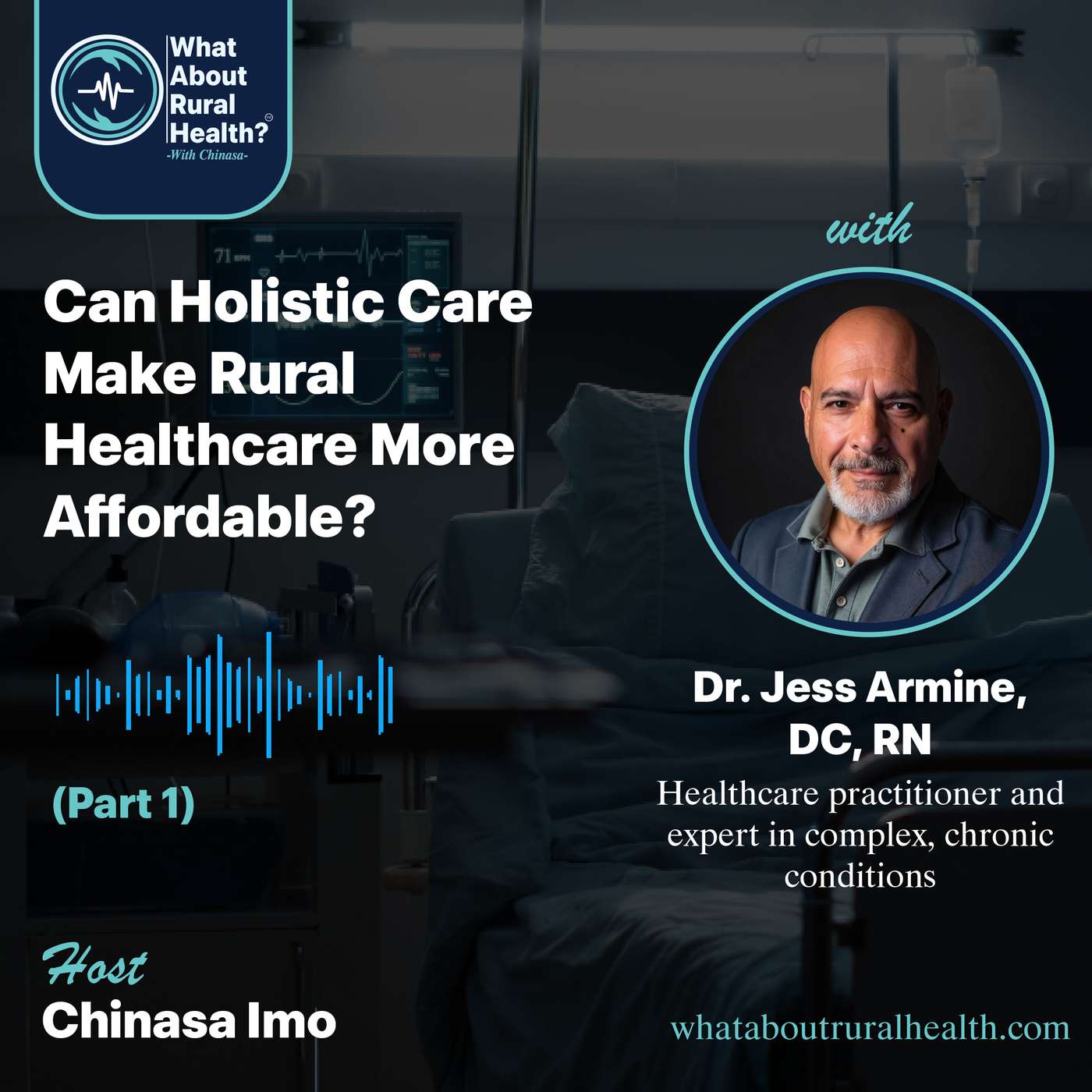
That gap between symptom onset and appointment access is the subject of a recent What About Rural Health? With Chinasa Imo conversation with Dr. Jess Armine, who has spent 50 years in healthcare, starting as an EMT and paramedic in New York City, then a registered nurse, then an Army nurse, before moving into functional medicine and neuroendoimmunology. When patients feel sick and have nowhere else to turn, Armine says, “You go to Google, Dr. Google, my nemesis, my absolute nemesis, or WebMD.”
Waiting Weeks for an Appointment
This isn’t about preferring a search bar over a stethoscope. Booking a specialist appointment can take weeks, and pain does not wait. “It takes a whole lot of effort to book an appointment with you,” Armine says, describing the accessibility gap from the patient’s side. By the time an appointment opens up, a patient with a headache or stomach pain has often already described the pain to an AI chatbot just to get some kind of answer.
Two forces are driving the shift, according to Armine. The first is trust: “We lost trust in the medical system,” he says. The second is where the medical field has chosen to focus. He argues the field is preoccupied with technical advancement while basic access lags behind, leaving patients to fend for themselves between visits.
Enjoying this article? Hear the full conversation with Dr. Jess Armine on What About Rural Health.
The Risk in Search Results
Search results carry their own risk which many don’t realise. Unlike a doctor’s office, a Google results page is also a marketplace, and Armine says patients searching for symptoms or treatment options have to sort medical information from sales pitches, particularly from alternative medicine products operating outside pharmaceutical-style regulation. He points to how loosely some of those products are marketed: “If you’re listening to a medicine commercial, all you have to do is close your eyes and listen to what this can do to you.” He argues patients deserve better filters than what a search engine can offer.
“It's not going to be a revolution. It's got to be an evolution”
A Smaller Fix for Rural Communities
Armine doesn’t frame the fix as a system overhaul. “It’s not going to be a revolution. It’s got to be an evolution,” he says. For rural communities specifically, he points to a practical starting point: bringing in a qualified holistic practitioner or nurse practitioner who can absorb the volume that traditional primary care can’t handle fast enough. It’s a smaller ask than reinventing the health system, and one he thinks could close the gap that currently pushes patients toward Dr. Google by default.
Want more conversations like this one? Subscribe to the What About Rural Health newsletter for new episodes, articles, and rural health financing insights.
Sources
More From This Conversation
- Full transcript: Holistic Care and Rural Healthcare Costs
- Listen to Part 1
- Listen to Part 2
- How Medicine Lost the Generalist Who Knew You
- The Cellular Root of Post-COVID Fatigue
- The Reimbursement Math That Shapes How You Get Treated
- What Actually Works for the Rural Healthcare Gap
Editor’s note: The views in this conversation are the guest’s own and do not necessarily reflect those of What About Rural Health. This article is for information only. It is not medical advice. Please talk to a qualified health professional about your own care.