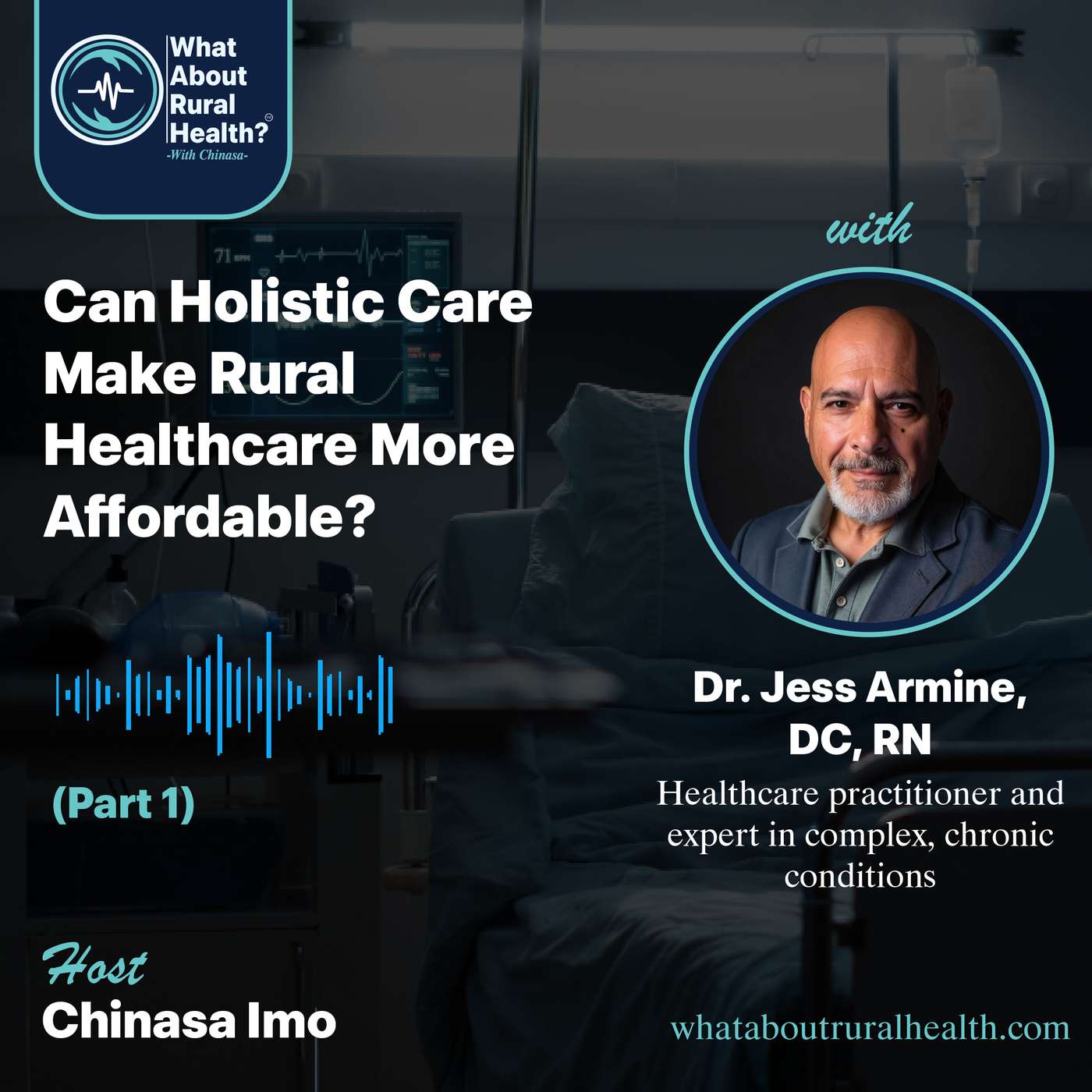
Chronic fatigue plagues millions since COVID-19. A specific mechanism may help explain why: damage to the mitochondria, the cellular structures that produce energy. The spike protein, whether from COVID-19 infection or vaccination, interferes with mitochondrial function, according to Dr. Jess Armine, a functional medicine practitioner who discussed the issue on a recent What About Rural Health conversation.
Armine has spent 50 years in healthcare, starting as an EMT and paramedic in New York City, then a registered nurse, then an Army nurse, before training as a chiropractor and specializing in neuroendoimmunology and functional medicine. He now runs an entirely virtual practice treating complex, multifactorial illnesses that have not responded to conventional treatment.
What Armine Says Is Happening in the Cell
The spike protein occupies certain cellular receptors and interferes with critical body functions, Armine says. Since the pandemic, providers have documented a rise in fatigue, fibromyalgia, pulmonary problems, heart problems, cancer, infertility and conditions tied to chronic inflammation, including autoimmune diseases like rheumatoid arthritis and Hashimoto’s. “The spike protein affects mitochondrial function,” Armine says. “Your mitochondria is what creates your energy.”
An estimated 5.3% of U.S. adults were living with long COVID-like symptoms as of 2024, according to CDC survey tracking, with symptoms including the kind of persistent fatigue Armine describes. Separately, researchers have documented mitochondrial abnormalities in long COVID patients’ blood cells, consistent with impaired energy production, according to a 2024 review published in Military Medical Research.
Enjoying this article? Hear the full conversation with Dr. Jess Armine on What About Rural Health.
Why Standard Lab Ranges Can Miss It
Diagnosing the problem, Armine argues, requires more than a standard lab panel. It starts with a thorough history. “It’s taking a history. It’s listening to your patient; not only listening to their complaint, but accepting the complaint,” he says. Armine spends two hours with each new patient before drawing conclusions.
“It's listening to your patient; not only listening to their complaint, but accepting the complaint”
He is also skeptical of relying on population-based normal ranges to rule out illness. Lab reference ranges are built from a bell curve of roughly a hundred thousand tests, he says, so a result inside the normal range can still represent dysfunction for a specific patient. Using hemoglobin as an example, a reading of 12.1 clears the anemia threshold on paper. “If you’re having symptoms of anemia and you look at all the correlating findings, just maybe, that’s not normal for that person,” Armine says.
That approach, sometimes called individualized or personalized medicine, means correlating symptoms, patient history and test results rather than dismissing a complaint because it does not fit a textbook pattern. Armine invokes Sherlock Holmes to make the point: “When you rule out the impossible, whatever’s left, however improbable, must be the truth.”
For patients whose post-COVID fatigue has not shown up clearly on standard tests, the argument is that the underlying dysfunction may still be real and measurable, just not captured by conventional reference ranges. Armine says he built his teaching practice around banning one phrase from doctors he trains: “that can’t happen.”
Want more conversations like this one? Subscribe to the What About Rural Health newsletter for new episodes, articles, and rural health financing insights.
Sources
- CDC, “Tracking Long COVID”
- Mayo Clinic, “Long COVID, Lasting Effects of COVID-19”
- “Mitochondrial Dysfunction in Long COVID: Mechanisms, Consequences, and Potential Therapeutic Approaches,” Military Medical Research, 2024
More From This Conversation
- Full transcript: Holistic Care and Rural Healthcare Costs
- Listen to Part 1
- Listen to Part 2
- How Medicine Lost the Generalist Who Knew You
- The Reimbursement Math That Shapes How You Get Treated
- Dr GPT Is Always Ready to See You
- What Actually Works for the Rural Healthcare Gap
Editor’s note: The views in this conversation are the guest’s own and do not necessarily reflect those of What About Rural Health. This article is for information only. It is not medical advice. Please talk to a qualified health professional about your own care.