What Happens During an EECP Treatment Session?
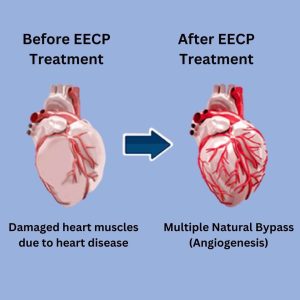
Understanding the therapy, the science, and why it’s more than just a pair of compression boots.
When people first hear about Enhanced External Counterpulsation (EECP), they usually have one of two reactions.
Some assume it sounds overly technical—perhaps even intimidating. Others immediately compare it to the inflatable compression boots used by athletes after training sessions.
While the equipment may appear similar at first glance, the similarities end there.
EECP is a medically supervised therapy designed to work with your heartbeat, not simply compress your legs. Understanding that difference is the key to understanding how the treatment works and why healthcare providers may recommend it for certain patients with cardiovascular conditions.
Read our previous article: Have You Heard of EECP Therapy?
A Common Misconception
One of the biggest misconceptions about EECP is that it’s simply a more powerful version of the recovery compression boots found in gyms or sports clinics.
Patient advocate and author Jack Clifford puts it best:
“They are not the same. They are not even cousins.”
Although both use inflatable cuffs around the legs, they serve entirely different purposes.
Athletic recovery systems are designed to help reduce muscle fatigue by encouraging the movement of venous blood and lymphatic fluid after exercise. They operate on preset timers, inflating and deflating in a fixed sequence regardless of the user’s heart rhythm.
EECP, however, is a medical therapy performed under clinical supervision using specialised equipment that continuously monitors your heartbeat.
As Jack Clifford also explains:
“The plumbing is similar. The engineering is not.”
That engineering is what makes EECP unique.
What Happens Before Treatment?
Before beginning EECP therapy, your healthcare provider will first determine whether the treatment is appropriate for your individual medical condition.
Your medical history, medications, previous cardiac investigations, and current symptoms will typically be reviewed before a treatment plan is recommended.
Once you’re cleared for treatment, you’ll attend outpatient sessions in a specialised clinic.
Step 1: Getting Comfortable
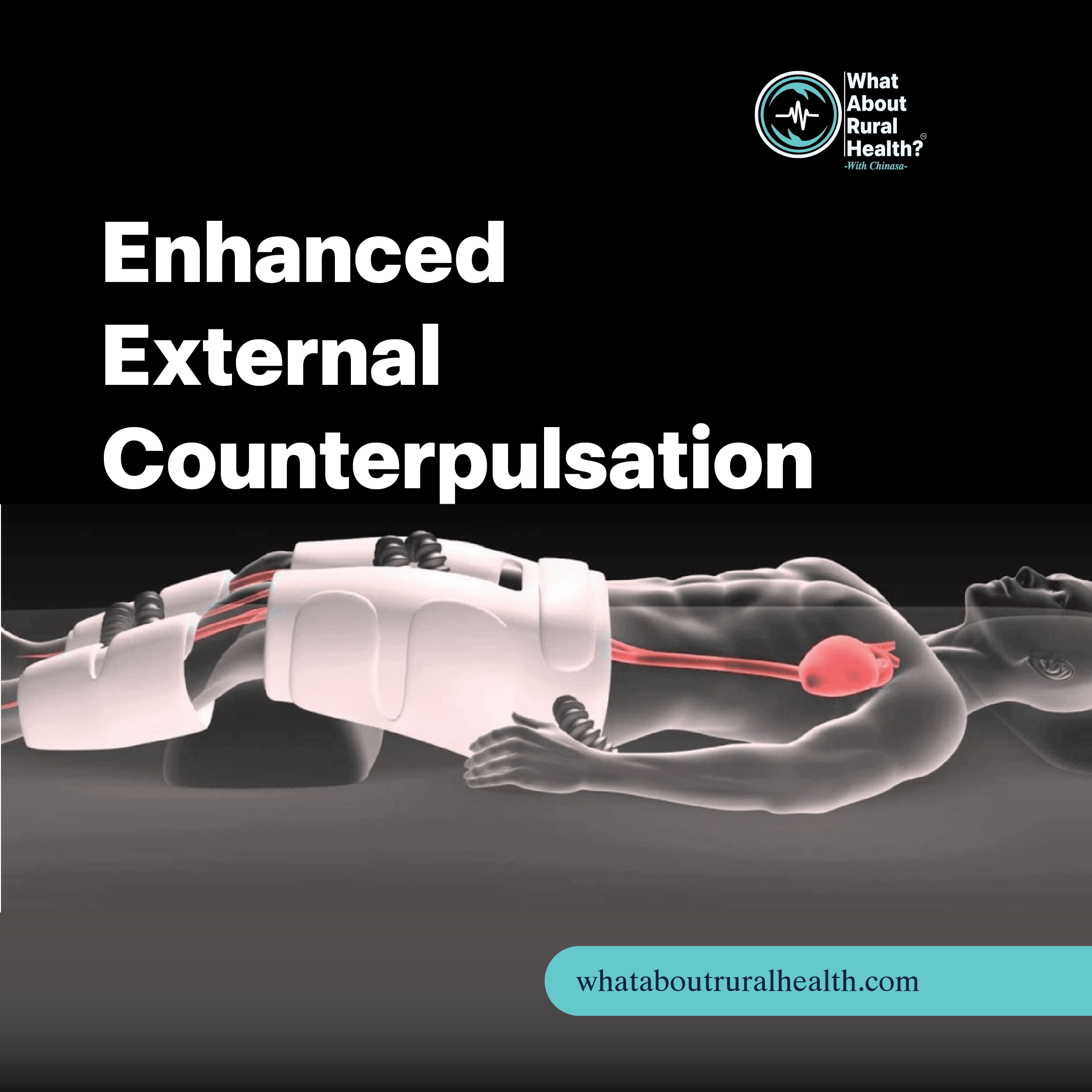
You’ll lie comfortably on a padded treatment bed.
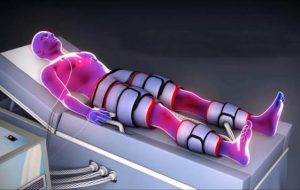
Large inflatable cuffs are wrapped around your calves, lower thighs, and upper thighs. Small ECG electrodes are attached to your chest to monitor your heartbeat throughout the session.
Unlike standard compression devices, these monitors allow the system to respond to every heartbeat in real time.
Step 2: Why Timing Matters
The defining feature of EECP isn’t simply the pressure applied by the cuffs—it’s when that pressure is applied.
As Jack Clifford writes:
“EECP is not on a clock. EECP is on your heartbeat.”
Using ECG monitoring, the system synchronises every inflation and release with your cardiac cycle.
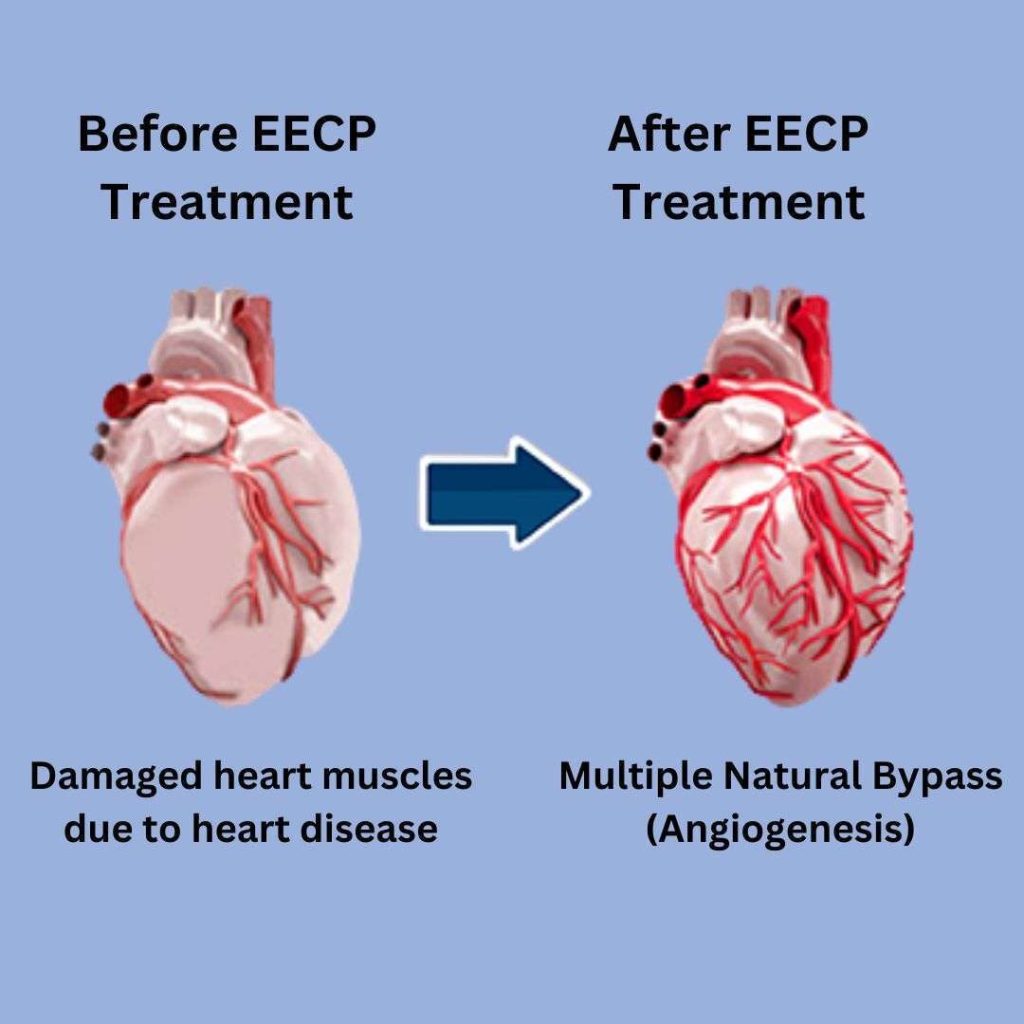
During the heart’s relaxation phase (diastole), the cuffs inflate sequentially from the calves upward. This carefully timed sequence helps increase blood flow back toward the heart.
Just before the heart contracts again, the cuffs rapidly deflate, reducing resistance as blood leaves the heart.
This precise timing is one of the reasons EECP cannot be compared to consumer compression devices, which simply follow a programmed timer.
Step 3: What Does It Feel Like?
Most patients describe EECP as a firm, rhythmic squeezing sensation around the legs.
The pressure may feel unusual during the first session, but many people become accustomed to it after a few treatments.
Throughout the session, patients remain awake and are often able to read, watch television, listen to music, or simply relax while trained staff monitor their progress.
If adjustments are needed, the clinical team can modify the treatment to improve comfort.
How Long Does a Session Last?
A standard EECP session typically lasts about one hour.
Rather than being a single treatment, EECP is usually delivered over multiple sessions across several weeks. The exact number of sessions depends on your healthcare provider’s recommendation and your individual clinical needs.
Consistency is important, and patients are generally encouraged to complete the full course of treatment prescribed by their care team.
Is EECP Safe?
EECP has been cleared by the U.S. Food and Drug Administration (FDA) for specific clinical uses and has been studied in patients with chronic stable angina and certain other cardiovascular conditions. However, it is not appropriate for everyone.
Only a qualified healthcare professional can determine whether EECP is suitable based on your medical history and current health status.
If you’re considering EECP, discuss the potential benefits and risks with your cardiologist or healthcare provider before making any treatment decisions.
What This Means for Rural Health
Understanding how EECP works is only one part of the conversation.
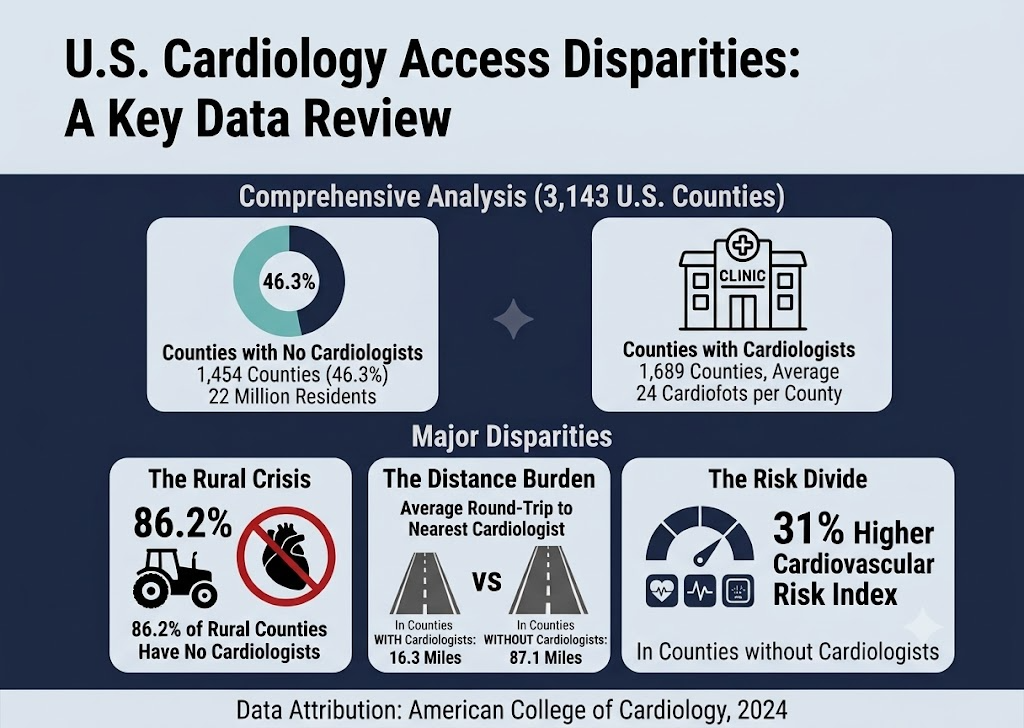
For many people living in rural and underserved communities, the greater challenge is access. Specialised EECP clinics are limited, meaning some patients must travel long distances simply to begin treatment.
Healthcare innovation has the greatest impact when it is both effective and accessible. Improving awareness of therapies like EECP, while also expanding access to specialised care, is an important step toward reducing disparities in rural health.
Looking Ahead
Knowing what happens during an EECP treatment session can help remove some of the uncertainty surrounding the therapy. But another important question remains:
Who can actually benefit from EECP therapy?
In the next article in our EECP Education Series, we’ll explore the patients for whom EECP may be considered, the conditions it has been studied to treat, and the questions you should ask your healthcare provider before deciding whether it’s the right option for you.
From Jack’s Desk
“EECP is not on a clock. EECP is on your heartbeat.”
Perhaps the simplest way to understand EECP is to remember this one sentence. Unlike consumer compression devices that inflate on a preset timer, EECP responds to each heartbeat in real time. That precision is what makes it a medically supervised therapy rather than a general wellness or recovery device.
Also Read:
Have You Heard of EECP Therapy?
EECP: Your Complete Guide to Enhanced External Counterpulsation
Rural Cardiovascular Disease – Communities Face Worsening Outcomes: Can We Reduce the Distance Tax?