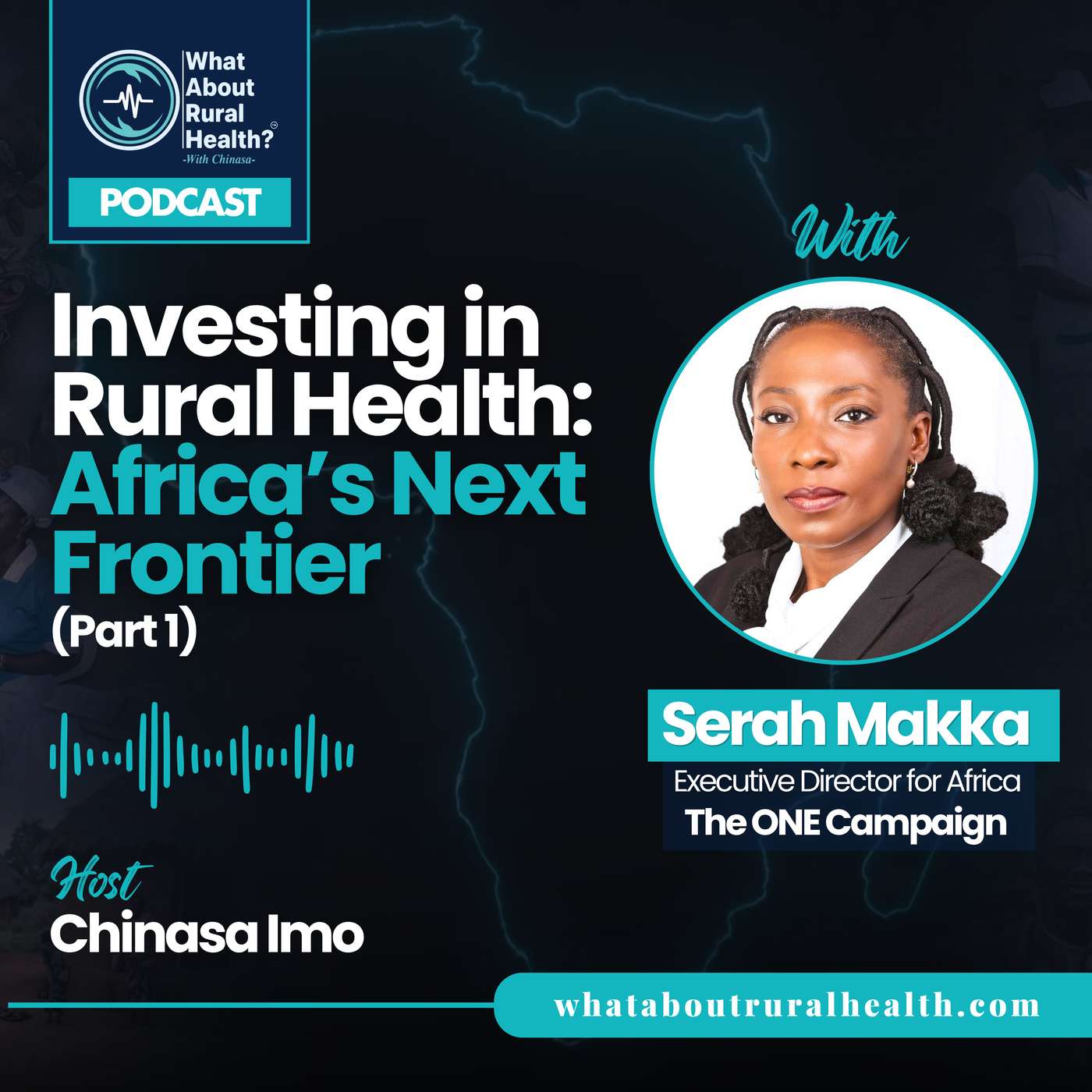
Africa’s aid-dependency narrative can be traced back to how the global health system was originally built. Serah Makka argues that African countries have unintentionally reinforced their own image as perpetual recipients when they can become donors themselves rather than aid recipients.
Serah Makka is Executive Director for Africa at The ONE Campaign. Her work sits at the intersection of advocacy and financial inclusion across the continent, and she has held fellowships and board roles focused on getting African governments and citizens more control over the systems that shape their economies and health outcomes.
Makka traced the aid-dependency mindset back to how global health infrastructure was originally built, not around individual illness but around protecting trade routes and quarantining ports so disease wouldn’t cross borders with goods. Independence led to change in the 1950s and 60s as newly independent African and Latin American countries joined the system and pushed it toward a solidarity and social welfare framing instead of a purely economic one. However, Makka views that African countries have since reinforced their own weak position by consistently positioning themselves as recipients rather than as partners with something to offer, and that funding tied to conditions, requiring use of donor-country products and services, erodes how much of a given grant or gift actually reaches the people it’s meant to help. “So no gift comes for free,” she said.
“No gift comes for free.”
Enjoying this article? Hear the full conversation with Serah Makka on What About Rural Health.
Nigeria’s delayed transition off Gavi vaccine funding is an example of this. The transition was originally expected around 2018 based on the country crossing into middle-income status, but which the country has repeatedly pushed back rather than fully embrace. Public records confirm this: Nigeria entered Gavi’s accelerated transition phase in 2018 after its income crossed the support threshold, targeted full self-financing by 2028, and has since negotiated multiple extensions, citing recession and co-financing gaps, rather than completing the exit on the original timeline.
Her broader claim, that African nations should aim to become donors rather than recipients, reflects a vision to pursue. As Makka put it: “I’m tired of receiving.”
Want more conversations like this one? Subscribe to the What About Rural Health newsletter for new episodes, articles, and rural health financing insights.
Sources
- Premium Times Nigeria, “Nigeria gets 10 more years of GAVI support”
- Linked Immunisation Action Network, “Transitioning from Donor Support: Lessons Learned from Nigeria’s Gavi Transition Plan Development”
- World Bank, Nigeria Immunization Financing Assessment (2018)
- PLOS Medicine, “Middle-income countries graduating from health aid”
More From This Conversation
- Listen to Part 1
- Listen to Part 2
- Read the full transcript
- Making Rural Health Investable, One Pharmacy at a Time
- Africa’s Global Health Story Gets Written by Everyone Else
- Diaspora Money, Debt Swaps, and Nurses: Africa’s New Health Financing Toolkit
- The Real Way Rural Africans Pay for Healthcare: Their Own Pockets
Editor’s note: The views in this conversation are the guest’s own and do not necessarily reflect those of What About Rural Health. This article is for information only. It is not medical advice. Please talk to a qualified health professional about your own care.