The global health narrative around Africa skews toward crisis and dependency even when the record doesn’t support it, pointing to how the continent handled COVID and to the raw materials it supplies to vaccine manufacturing without recognition or negotiating leverage.
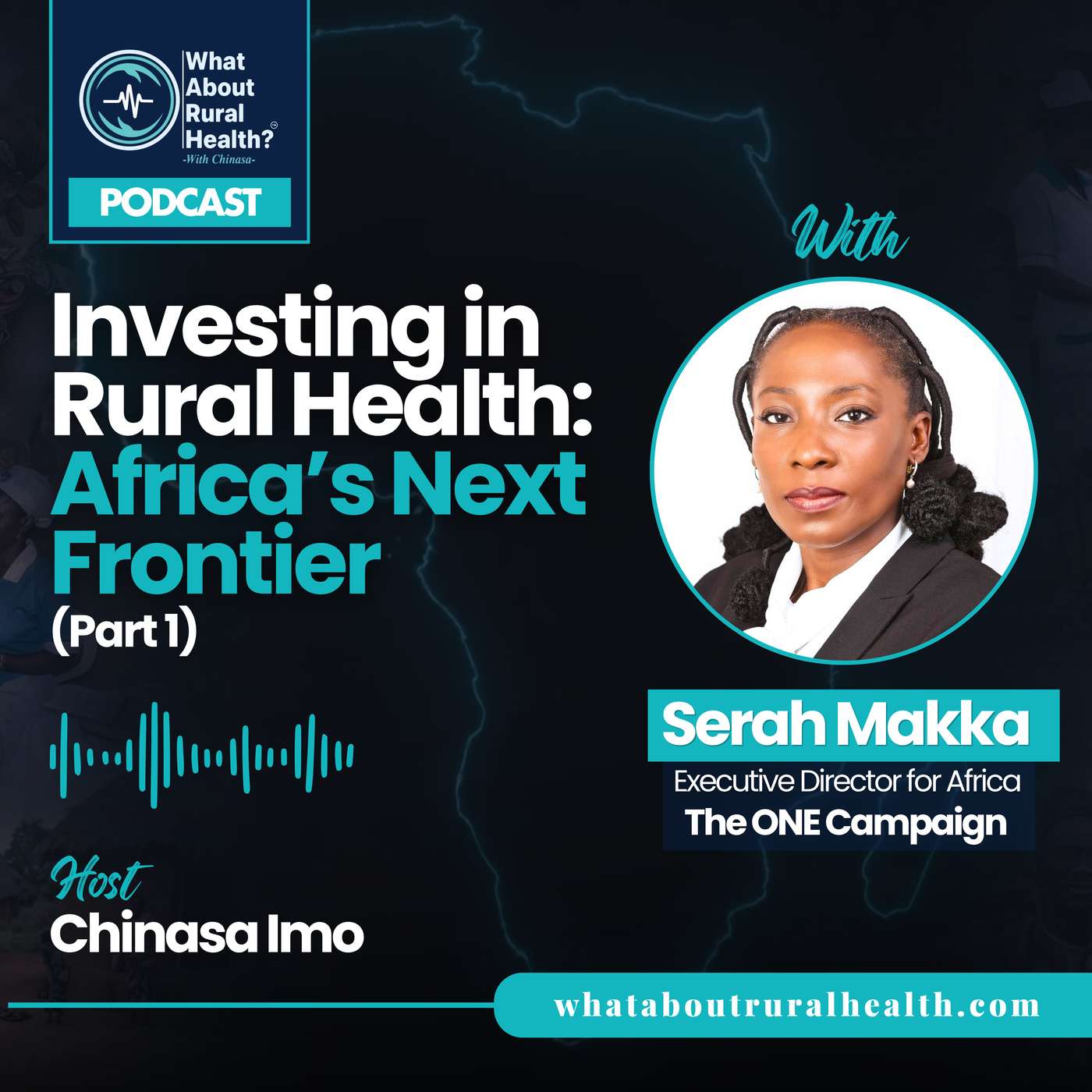
Serah Makka is Executive Director for Africa at The ONE Campaign, with more than two decades in governance, advocacy and financial inclusion work across the continent. A Desmond Tutu Fellow with a master’s in public policy from Harvard’s Kennedy School, she has spent her career pushing for African countries to control their own economic and health narratives rather than have them written elsewhere.
Makka tells What About Rural Health?™ with Chinasa Imo how the early COVID period was a case where African countries handled the crisis better, in some respects, than outside forecasts expected, something she credited partly to experience built up from responding to prior outbreaks. That outcome, she said, never really reshaped the broader story told about African health systems. Global pandemic treaty negotiations were also a moment that exposed a deeper pattern: African countries supply raw biological and material inputs into vaccine production, she said, without being credited as contributors to that value chain or gaining leverage from it in return. “We usually send these raw inputs for free,” she said. Her fix is for the continent to negotiate together rather than country by country: “Africa just needs to stand up and speak more for itself collectively.”
“Africa just needs to stand up and speak more for itself collectively.”
Enjoying this article? Hear the full conversation with Serah Makka on What About Rural Health.
The vaccine input concern lines up more directly with documented gaps. The African Union’s Partnerships for African Vaccine Manufacturing initiative has set a goal of producing 60% of the vaccines Africa uses locally by 2040, up from under 1% today, and has identified the continent’s shortage of locally produced raw materials and inputs as one of the central obstacles to that goal.
On COVID, researchers have documented the pattern Makka referenced. Multiple analyses found sub-Saharan Africa’s COVID mortality came in well below what pre-pandemic models predicted, a pattern researchers have linked to a younger population, lower rates of the chronic conditions that raise COVID risk, and health system experience from earlier outbreaks.
Want more conversations like this one? Subscribe to the What About Rural Health newsletter for new episodes, articles, and rural health financing insights.
Sources
- Africa CDC, Partnerships for African Vaccine Manufacturing (PAVM) framework and 2040 target
- CEPI, “Moving forward the vaccine supply chain in Africa”
- PMC, “Explaining the unexpected COVID-19 trends and potential impact across Africa”
More From This Conversation
- Listen to Part 1
- Listen to Part 2
- Read the full transcript
- Making Rural Health Investable, One Pharmacy at a Time
- Why Africa Needs to be Off the Receiving End of Aid
- Diaspora Money, Debt Swaps, and Nurses: Africa’s New Health Financing Toolkit
- The Real Way Rural Africans Pay for Healthcare: Their Own Pockets
Editor’s note: The views in this conversation are the guest’s own and do not necessarily reflect those of What About Rural Health. This article is for information only. It is not medical advice. Please talk to a qualified health professional about your own care.