Rural African healthcare needs proof-of-concept models before outside capital will follow. An example of leading with testing is building diagnostic services into existing pharmacies. Serah Makka makes the case that domestic investors, not foreign ones, need to lead this because they have a permanent stake in fixing the surrounding policy environment. Public data confirms African development finance institutions are actively building the kind of blended-finance vehicles that could scale a proven model.
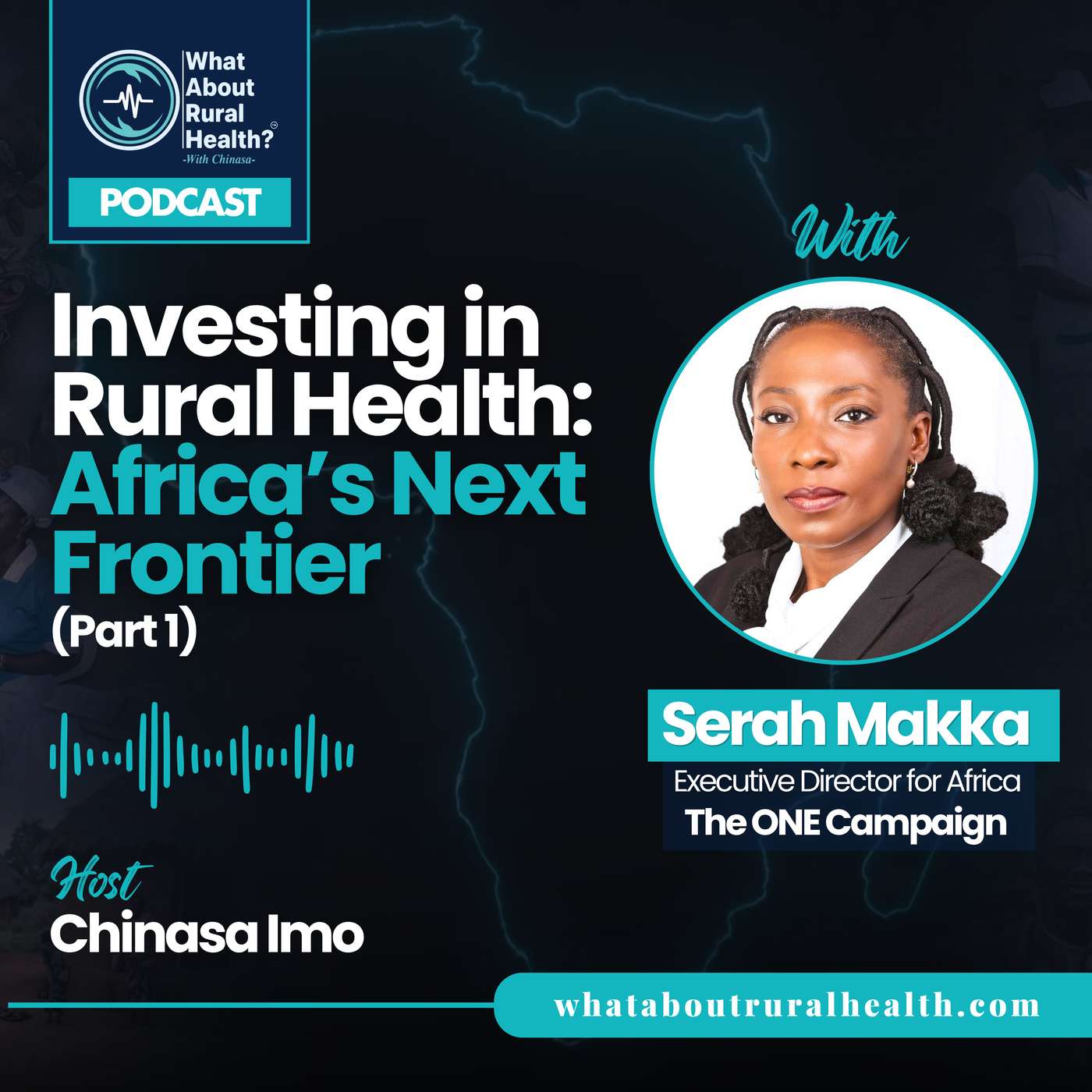
Serah Makka is Executive Director for Africa at The ONE Campaign, where she works on turning advocacy into practical financing mechanisms for African health systems, including how to attract private capital into markets donors have traditionally covered. She holds a master’s in public policy from Harvard’s Kennedy School and sits on several African policy and advocacy boards.
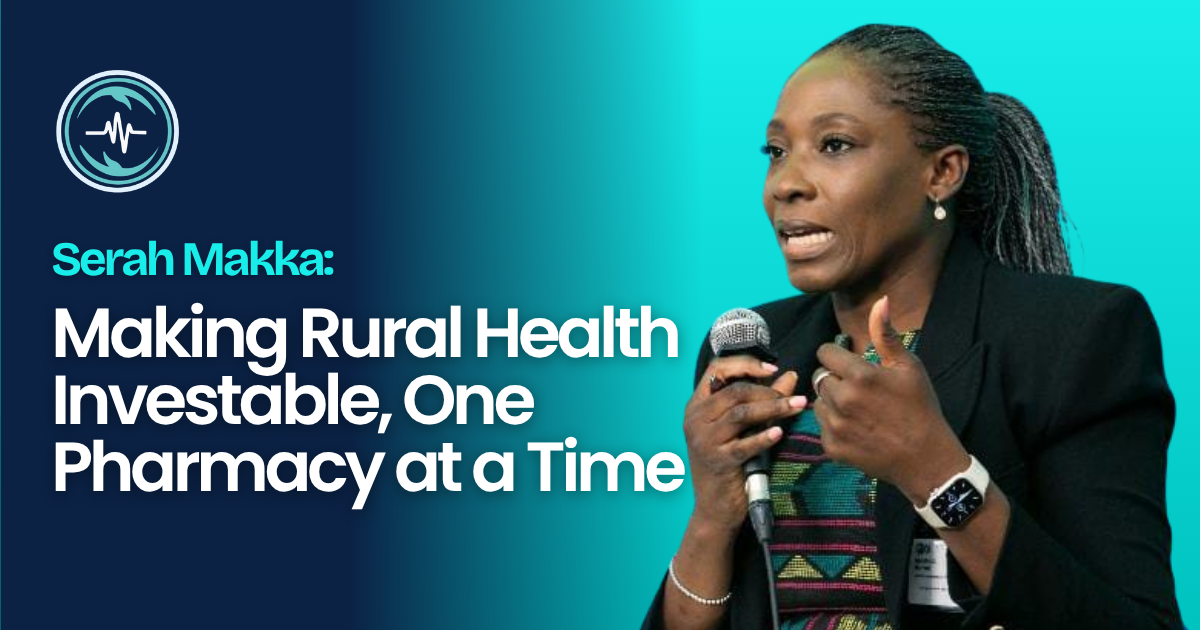
In her conversation with What About Rural Health?™ with Chinasa Imo, Makka argued that investment capital follows proof, not good intentions, and that rural health needs local test cases before larger investors will commit. “We can’t wait for someone to come and prove it,” she said. She described an example of building out pharmacies in areas where people already default to the pharmacy rather than the hospital for a headache or a minor complaint, and layering in services like blood pressure checks at that same counter. Meeting people where they already go, rather than building new infrastructure from scratch, could prove a rural health model works before it needs to look like a hospital or clinic at all. The same logic applies to lower-cost formats like mobile clinics or converted containers, arguing that infrastructure isn’t really the barrier once a workable format exists.
Enjoying this article? Hear the full conversation with Serah Makka on What About Rural Health.
She was candid that early, one-off efforts like donated solar power for clinics often fail to hold up over time without a sustainable maintenance model, and argued investment structured around a real return is more durable than a grant given once and left unmaintained. Domestic investors, not foreign ones, should anchor this work, because they have a lasting stake in the country and more incentive to push for the policy consistency and stable regulatory environment that any investment needs to survive, including at the central bank and banking-system level. Show that rural health is investable, she said, “and once we do that they will come.”
Public data supports this direction of travel. The African Development Bank has built dedicated healthcare investment vehicles, including equity stakes in African pharmaceutical and health-services funds and a Health in Africa Fund aimed at expanding access through smaller providers like pharmacy chains and diagnostic centers, the kind of blended finance that could scale a proven local model once it exists.
Want more conversations like this one? Subscribe to the What About Rural Health newsletter for new episodes, articles, and rural health financing insights.
Sources
- African Development Bank, “Health in Africa Fund”
- African Development Bank, Strategy for Quality Health Infrastructure in Africa 2022-2030
- African Business, “The private sector’s expanding role in African healthcare”
- AllAfrica, “AfDB And Investment Fund for Health in Africa Sign Euro 10 Million Equity Investment”
More From This Conversation
- Listen to Part 1
- Listen to Part 2
- Read the full transcript
- Africa’s Global Health Story Gets Written by Everyone Else
- Why Africa Needs to be Off the Receiving End of Aid
- Diaspora Money, Debt Swaps, and Nurses: Africa’s New Health Financing Toolkit
- The Real Way Rural Africans Pay for Healthcare: Their Own Pockets
Editor’s note: The views in this conversation are the guest’s own and do not necessarily reflect those of What About Rural Health. This article is for information only. It is not medical advice. Please talk to a qualified health professional about your own care.