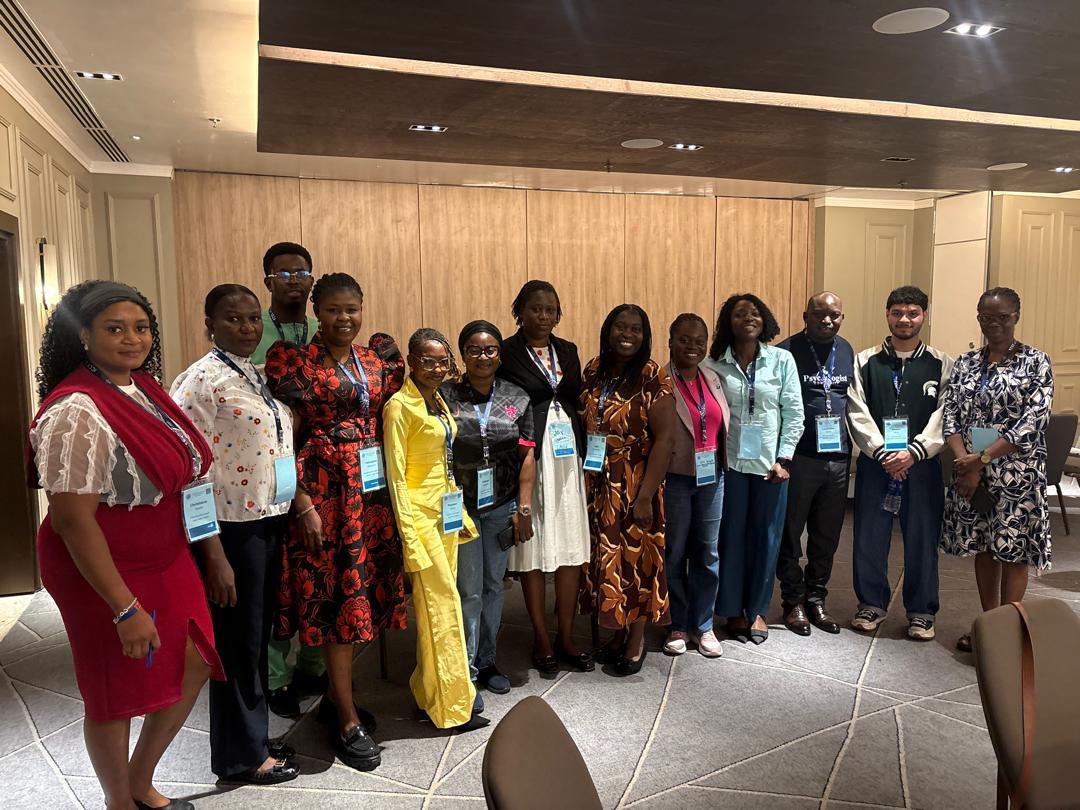
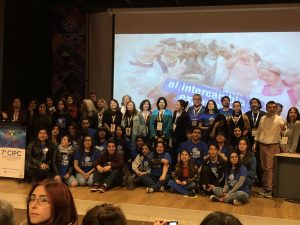
ICCP 2026 – Origin – In 2006, a global conversation began in San Juan. It travelled across continents, cultures, and communities. That conversation became the International Conference of Community Psychology (ICCP), a biennial gathering of thinkers, practitioners, and communities committed to one central idea: that people, not just systems, are the foundation of health and well-being. Two decades later, that conversation is coming home. In September 2026, ICCP will be hosted in Lagos. This marks only the second time the conference will take place on African soil. But this is more than just a change in location. It represents a shift in perspective. It is, as conference convener Dr Moshood describes it, a call to “reconnect to the source.”
What Is ICCP and Why Does It Matter?
Unlike many global conferences, ICCP is not owned by a single institution. It evolves through a collective of scholars and practitioners worldwide. From Lisbon to Durban, Santiago to Melbourne, each edition reflects the realities of the communities hosting it. At its core, ICCP asks one important question: How do we build systems that truly serve people, especially those historically overlooked? This is where community psychology becomes powerful. It shifts the focus:
- From institutions to people
- From services to relationships
- From intervention to empowerment
And nowhere is this shift more urgent than in rural health.

“Trust People”: A Radical Idea for Health Systems
During a recent episode of the What About Rural Health™ podcast, Dr Moshood summarised a complex field with one simple yet impactful statement: “Trust people.” It sounds obvious. But in practice, health systems rarely do. Instead, systems are often designed:
- Without fully understanding community realities
- Without considering power dynamics within families and societies
- Without listening to the lived experiences of those they serve
Dr. Moshood illustrates this with a striking example: a migrant family where a young boy becomes the household decision-maker simply because he speaks the dominant language. The system sees functionality but misses the psychological disruption, identity conflict, and silent trauma beneath it. This is the gap community psychology seeks to close.
Listen to the podcast episode: Reconnecting to the Source (A) | Dr. Moshood Olanrewaju | What About Rural Health
Beyond Clinics: Rethinking Rural Health
In many conversations about rural health, the focus remains narrow:
- More hospitals
- More doctors
- More funding
But as this conversation reveals, that is only part of the story. Health is also shaped by:
- Power relationships within families
- Economic realities
- Social structures and expectations
- Cultural identity and belonging
Consider a single mother working multiple jobs, leaving her children to navigate school and life alone. The system may label this as neglect. But community psychology asks a different question: Where did the system fail her first? This reframing is critical for rural communities, where:
- Services are limited
- Systems are often disconnected
- Communities are expected to survive with minimal support
And yet, despite all this, communities still adapt, organize, and rebuild.
Communities Are Not Empty Spaces
One of the most important insights from the conversation is this: Communities are not empty spaces waiting to be fixed. They are:
- Sources of knowledge
- Sites of resilience
- Engines of innovation
Dr Moshood points to migrant communities revitalising rural areas, building businesses, restoring local economies, and creating new systems of support without formal intervention. The implication is clear: People are not just beneficiaries of development; they are the drivers of it.
Reconnecting to the Source
The theme of ICCP 2026, “Gathering in the Motherland: Reconnecting to the Source”, is not about nostalgia or returning to the past. It is about identity, grounding, and clarity. In a world shaped by rapid technological change, political division, and social fragmentation, “the source” prompts us to ask:
- Who are we beneath all the noise?
- What connects us across differences?
- How do we build systems that reflect that shared humanity?
For rural health, this matters deeply. Without this grounding, even the best-funded systems can fail.
Why Lagos 2026 Is Different
Hosting ICCP 2026 in Lagos is not just symbolic; it is strategic. As Dr Moshood explains, many foundational ideas in community psychology are deeply rooted in African ways of thinking:
- Collective identity
- Shared responsibility
- Community-led problem solving
Yet much of the global discourse has been shaped elsewhere. ICCP 2026 creates an opportunity to:
- Re-centre these perspectives
- Connect global theory with local realities
- Build partnerships that extend beyond the conference
Plans are also in place to directly engage:
- Local government leaders
- Community representatives
- Rural stakeholders, not just as participants but as contributors to solutions.
Beyond Four Days: What Happens Next?
A conference lasts four days. But its impact should not. As Dr Moshood puts it: “Even if it doesn’t show up immediately, it will show up in your work, your thinking, your writing.” The goal is not just attendance; it is transformation. Transformation in:
- How researchers design studies
- How policymakers approach communities
- How practitioners deliver care
- How organisations like What About Rural Health™ tell stories
A Call to Participate
As the world prepares for ICCP 2026, this is more than an invitation to attend. It is an invitation to:
- Rethink what health systems should look like
- Centre communities in decision-making
- Bridge the gap between knowledge and lived experience
Whether you are A health professional, policymaker, researcher or someone with a story from a rural community, your voice matters. At the heart of this conversation is a simple truth: Health is not only built in clinics or budgets but in relationships, trust, and collective care.
Final Thought
As we move toward Lagos 2026, perhaps the most important takeaway is this: Before we design systems for people, we must first learn to trust them.