Rural and urban health inequality is shaped by place, power, policy, development, and the degree to which communities can influence decisions about their future.
Part 1 of a two part conversation. Continue with Part 2: Beyond the City: What Urban Resistance Can Tell Us About Rural Health Realities.
About this episode
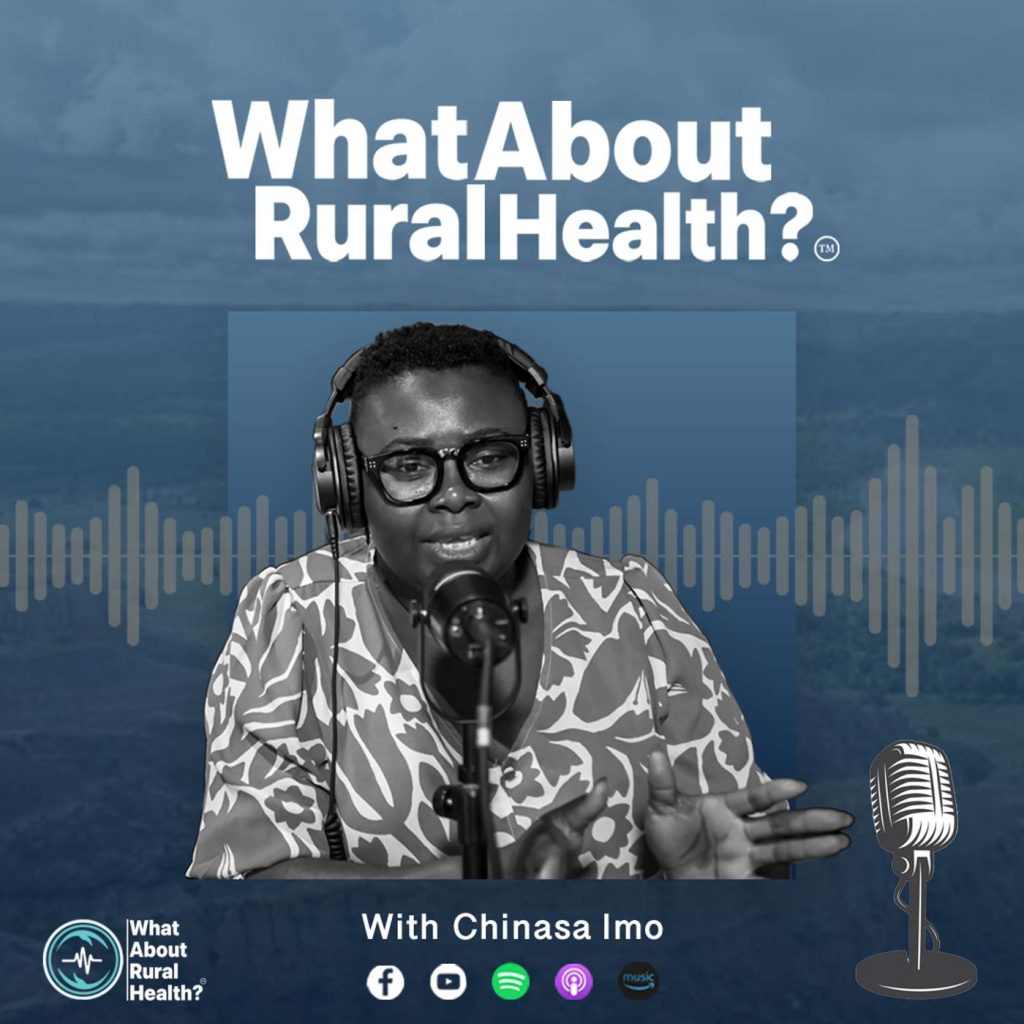
What can resistance in cities teach us about health, power, and belonging in rural communities? In this episode of What About Rural Health?™, Chinasa Imo speaks with urban sociologist and community ethnographer Dr. John Joe Schlichtman about how communities respond when development, policy, and institutions fail to reflect their needs.
Drawing on ideas from his books Gentrifier and Showroom City, as well as his work on community fabric, Dr. Schlichtman examines how place shapes opportunity and wellbeing. The conversation connects urban resistance with rural health realities, showing why community voice, local knowledge, and meaningful participation matter in every geography.
What urban resistance reveals about rural health
Urban resistance is often discussed in relation to housing, gentrification, neighborhood change, and development. Yet the central questions are also relevant to rural health. Who decides what a community needs? Whose knowledge counts? Who benefits from investment, and who carries the costs?
Rural communities may experience hospital closures, workforce shortages, limited transportation, declining public infrastructure, and policies created far from the people they affect. When residents organize, protect local assets, or challenge decisions, they are asserting the same basic right to shape the places where they live. This episode explores how those acts of resistance can reveal practical lessons for rural health equity.
Place, power, and policy
Health outcomes do not begin inside a clinic. They are influenced by housing, transportation, employment, education, food access, social connection, and political power. The discussion considers how public and private decisions reshape communities and how unequal access to decision making can deepen rural and urban health inequality.
Dr. Schlichtman and Chinasa also examine why labels such as rural and urban can hide important differences within communities. A place based approach asks more useful questions about local history, relationships, assets, and barriers. It helps leaders move beyond assumptions and understand how policy is actually experienced by the people it is intended to serve.
Just development and community wellbeing
Development is not automatically equitable simply because it brings new funding, buildings, or services. Just development considers who participates in planning, who gains access to the benefits, and whether change strengthens or displaces the existing community.
For rural health leaders, this can mean designing services with residents, supporting trusted local organizations, and measuring success through community priorities as well as institutional targets. It also means recognizing that economic development, healthcare access, and community wellbeing are deeply connected.
Building from community assets
Rural communities are too often described only through scarcity. An asset based approach starts with what already exists: local knowledge, social networks, cultural strengths, trusted leaders, volunteer groups, community institutions, and practical experience. These assets do not remove the need for funding or policy reform, but they offer a stronger foundation for solutions that people can trust and sustain.
This conversation encourages practitioners and policymakers to work with communities as partners, not simply as recipients of programs. That shift can improve relevance, strengthen accountability, and create health strategies that reflect how people actually live.
About the guest
Dr. John Joe Schlichtman is an urban sociologist and community ethnographer whose work examines cities, neighborhood change, community power, and development. He is the author and coauthor of works including Gentrifier and Showroom City, and his scholarship offers a valuable lens for understanding how people experience and respond to change across rural and urban settings.
Who should listen
- Rural health professionals and healthcare leaders
- Public health practitioners and policymakers
- Urban and rural planners
- Community organizers and development professionals
- Researchers and students studying health equity
- Anyone interested in place, power, policy, and community wellbeing
Frequently asked questions
What does urban resistance have to do with rural health?
Both involve communities responding to decisions about land, services, investment, and power. Lessons from urban organizing can help rural leaders understand how community voice and local participation influence health and development.
What is rural and urban health inequality?
It refers to avoidable differences in health outcomes and access to care across places. These differences are shaped by healthcare availability as well as transportation, housing, employment, infrastructure, public policy, and political influence.
What is just development?
Just development is an approach that shares decision making, protects community interests, and distributes the benefits of investment fairly. It asks whether change improves wellbeing for current residents rather than simply producing economic growth.
Why use an asset based approach to community health?
An asset based approach recognizes local knowledge, relationships, institutions, and strengths. It helps organizations design solutions with communities, improve trust, and build programs that are more relevant and sustainable.
Key topics and search terms
Rural and urban health inequality, rural health equity, urban resistance, community development, just development, place based health, social determinants of health, community power, rural healthcare access, health policy, community engagement, and John Joe Schlichtman.
Main takeaways
- Place, power, and policy shape health long before a person enters a healthcare facility.
- Urban resistance offers useful lessons about community voice and local control.
- Rural health solutions are stronger when communities help define both the problem and the response.
- Development should be judged by who participates, who benefits, and whether community wellbeing improves.
- Asset based approaches recognize rural communities as sources of knowledge and leadership.
Resources
- Learn more about Dr. John Joe Schlichtman
- Explore more What About Rural Health?™ episodes
- Listen to Part 2 of this conversation
About What About Rural Health?™
What About Rural Health?™ is a platform for conversations about rural health equity, access, policy, innovation, and the people working to improve health in underserved communities. Hosted by Chinasa Imo, the podcast connects research, lived experience, and practical solutions across communities and health systems.
Work with What About Rural Health?™
For partnerships, speaking, research, sponsorship, or media inquiries, email info@whataboutruralhealth.com. You can also support the work of What About Rural Health?™.