WHAT ABOUT RURAL HEALTH?™ | INNOVATOR OF THE MONTH | OCTOBER 2026
Featuring Karthik Ganesh, CEO of OnMed
The traditional brick-and-mortar system of healthcare has yet to reach every community. Even where a health facility exists, keeping it operational can be a challenge. Reliable electricity and water, adequate staffing, proper storage, equipment maintenance and the high cost of the technology needed to deliver care all affect whether a facility can provide consistent services. Beyond these challenges, access to specialist care remains limited in many communities, leaving people with health needs their local facilities may not be equipped to meet.
In the United States, 80% of counties are designated as multiple care deserts, highlighting the scale of gaps in access to healthcare facilities. For rural and underserved communities, the question is not simply whether a health centre exists, but whether it can provide the care people need and whether people can reach the services available to them.
This is why we continue to look for innovations that can help close the healthcare gaps affecting rural and underserved communities. What if delivering care did not always depend on building and maintaining a conventional healthcare facility? What if some services could be brought closer to people, in places they already visit?
These questions sit at the heart of Karthik Ganesh’s work as CEO of OnMed, a healthcare company exploring new ways to connect people with clinical care. With leadership experience across the healthcare sector, including roles at Aetna and Cigna, Ganesh is helping advance an approach that combines technology with a different way of delivering care.
Rethinking Where Care Happens
Ganesh’s experience spans health insurance, pharmacy services, healthcare technology, third-party administration, provider-sponsored services and value-based care. At OnMed, his focus is on a challenge rural communities know well. Healthcare services cannot make a difference to people who cannot access them.
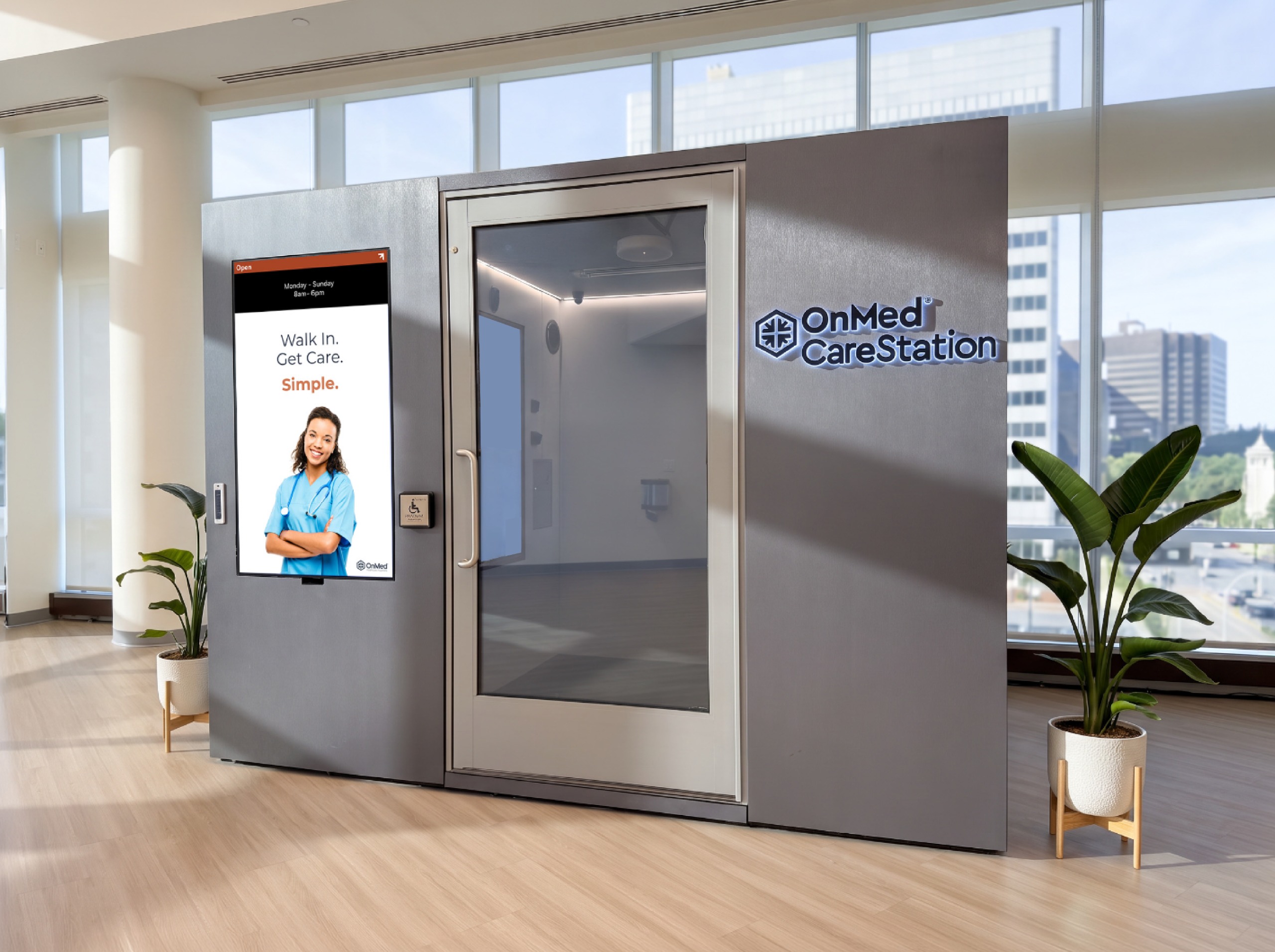
One of the company’s approaches is the OnMed CareStation, a compact, technology-enabled care unit designed to connect patients with clinicians remotely while providing access to diagnostic equipment on site.
The idea is straightforward. What if getting medical attention did not always require a patient to travel to a conventional clinic or hospital?
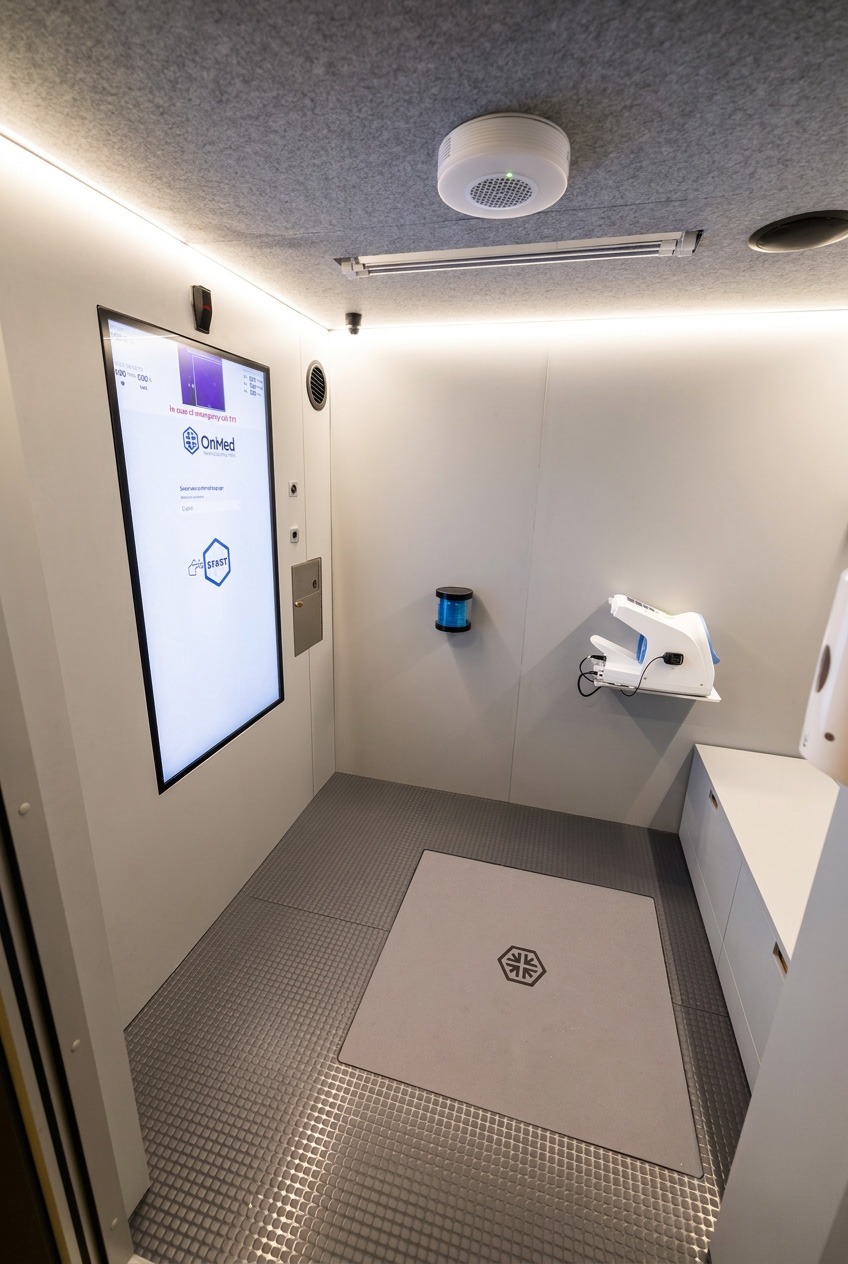
The CareStation is an eight-by-ten-foot clinic-in-a-box. It combines on-site equipment with a screen through which patients can consult a clinician remotely. Patients can use equipment such as a blood pressure cuff and weighing scale while receiving clinical guidance and advice on the next steps.
It brings together elements of in-person assessment and telehealth in one location. Rather than requiring a clinician to be physically present at every station, the model uses technology to connect patients with clinical support.
But for Ganesh, the idea is about more than introducing technology into healthcare. It is about using technology to extend the reach of care without losing the human interaction people need.
As he explained during our conversation, “Big change does not mean big technology and big money.”
He sees technology as a way to reach more people, while recognising that healthcare still depends on human connection.
“Technology has to be what drives scale. But people still want the human interaction when it comes to healthcare,” he said.
This thinking also shapes where he believes care should be available. Rather than expecting people to travel to healthcare services, Ganesh wants to bring those services closer to the communities that need them.
“Bring it into places where communities naturally gravitate,” he said, pointing to schools, religious institutions and community centres. “Bring it into these communities where people naturally go anyway.”
This is an important distinction. Traditional telehealth generally connects a patient and clinician through a phone or video call, while mobile health services bring healthcare workers or equipment to different locations. The CareStation creates another option by providing a dedicated space for remote consultations and basic diagnostic assessments.
“The opportunity is for rural hospitals to take a step back and think about what just in time infrastructure looks like in the communities they serve.”
The question, however, is whether this difference helps people get care they might otherwise struggle to access.
When Distance Stands Between People and Care
The need for new approaches becomes clearer when we look at communities where local healthcare options are limited.
In LaFayette, Alabama, OnMed’s work with Auburn University and the Alabama Cooperative Extension System forms part of a broader effort to improve access to healthcare in rural communities.
According to OnMed’s case study, LaFayette has a population of about 2,700 and has faced limited access to local healthcare services. The case study describes a shortage of primary care capacity, no local urgent care facility and residents having to travel around 30 to 45 minutes to access care.
For someone who needs medical attention, that journey can come with difficult decisions. There may be transport costs to consider, time away from work or family responsibilities to manage, and uncertainty about how quickly an appointment can be arranged.
When access becomes difficult, people may delay seeking care. A health concern that could have been addressed earlier may then become more complicated.
Through its partnership with Auburn University and the Alabama Cooperative Extension System, OnMed has introduced CareStations as part of a community-based approach to healthcare access. The initiative also includes health and wellness activities, bringing together technology, local institutions and community engagement.
Auburn University’s 2024 Rural Health Initiative Impact Report recorded 1,207 OnMed consultations during the year. Among surveyed patients, 98 per cent said their health needs had been met well or very well, while 97 per cent reported feeling confident using the CareStation. All surveyed respondents described it as private and easily accessible.
These findings offer an encouraging picture of how patients experienced the service. They also point to an important consideration for rural health innovation. Providing a new service is only one part of the work. People must be able to find it, use it and trust it.
“The communities are not getting to rural hospitals because of transportation issues. The distances are too long.”
More Than a Piece of Technology
A CareStation can create an additional point of access, but it cannot meet every healthcare need.
Some patients will need further tests, specialist attention, emergency treatment or ongoing care that a remote consultation cannot provide. That makes referral pathways and connections with the wider healthcare system essential.
There are other questions to consider, too. Is the service available when people need it? Can the community rely on it? Are patients aware of what it can and cannot do? And what support is in place when someone needs care beyond what the station can offer?
These questions matter because rural health challenges rarely have a single cause. Distance may be part of the problem, but so can workforce shortages, limited infrastructure, the cost of care and the lack of nearby specialist services.
Technology can help address some of these barriers, but it cannot replace every investment a community needs.
“They know they’ve got some fundamental challenges. Their financial resources are a challenge to begin with. We get that.”
The partnership between OnMed, Auburn University and the Alabama Cooperative Extension System illustrates why collaboration matters. Healthcare access is not only about installing equipment. It also involves connecting a service with local organisations and the people it is intended to support.
For an innovation to make a lasting difference, it must fit into the community’s healthcare needs rather than exist separately from them.
A Shared Challenge Across Countries
During the pre-recording discussion for the What About Rural Health?™ podcast, founder Chinasa Imo drew a connection between the CareStation model and approaches to healthcare access in other parts of the world.
In Nigeria, health posts can provide basic services in communities that are difficult to reach. In Rwanda, drone delivery has been used to transport medical supplies to health facilities. These approaches differ in design, but each responds to a practical challenge in healthcare delivery.
How do you get care, essential supplies or clinical support to people when distance and infrastructure stand in the way?
There is no single answer that will work everywhere. The needs of a rural community in the United States may differ from those of a community in Nigeria or Rwanda. Resources, health systems and local infrastructure all shape what is possible.
Still, there is value in looking beyond national borders to understand how others are approaching similar problems. The goal is not to copy an innovation simply because it works in another setting. It is to understand the problem it addresses and consider what lessons might be useful elsewhere.
For rural healthcare, that exchange of ideas matters. Communities may face different circumstances, but they share a need for services that people can reach when they need them.
Bringing the Focus Back to People
The OnMed CareStation offers one example of how healthcare delivery can be rethought. By combining on-site diagnostic equipment with remote clinical support, it creates another way for people to connect with care without always having to make a long journey to a traditional facility.
The experience in rural Alabama also shows why the technology must be considered alongside the community and the healthcare system around it. Local partnerships, patient trust, access to further treatment and the ability to sustain a service all contribute to its value.
There is no single innovation that will solve every rural health challenge. Some communities need more healthcare workers. Others need reliable electricity, better-equipped facilities, transport, specialist services or stronger referral systems. Many need several of these things at once.
What matters is whether the solutions being developed respond to the needs people actually face.
For Ganesh and OnMed, the CareStation represents one approach to bringing clinical care closer to communities. His emphasis on combining scalable technology with human interaction also raises a wider question for healthcare systems everywhere. How can we make access less dependent on where a person lives?
Because a healthcare service can only make a difference when the people who need it can actually reach it.
About Karthik Ganesh
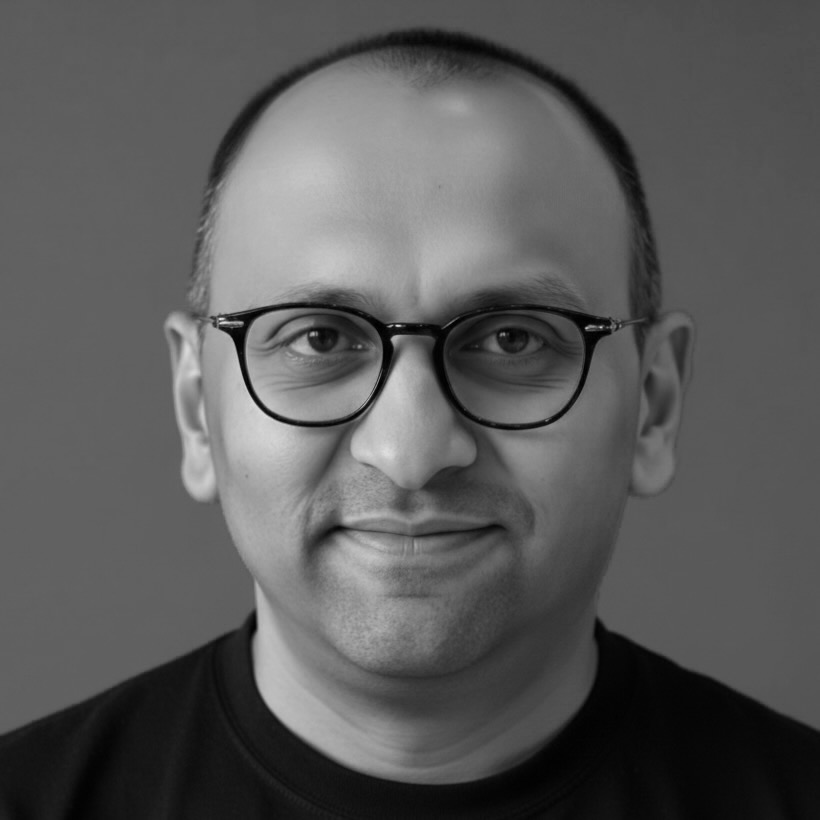
Karthik Ganesh is the Chief Executive Officer of OnMed, a healthcare company focused on expanding access to clinical care in underserved, rural and remote communities. His professional experience spans multiple areas of healthcare, including health insurance, pharmacy services, healthcare technology and value-based care.
Listen to the Conversation
The upcoming What About Rural Health?™ podcast episode, Redesigning Rural Healthcare: Affordable Innovations That Saves Lives, explores the CareStation model and the wider question of how healthcare can be made more accessible. Watch for the episode on the WARH YouTube channel.
References
1. OnMed. “OnMed Announces Karthik Ganesh as CEO.”
https://www.onmed.com/resources/onmed-announces-karthik-ganesh-as-ceo
2. Auburn University Rural Health Initiative. “2024 Impact Report.”
https://outreach.auburn.edu/ruralhealth/2024impactreport.php
3. OnMed. “Auburn University Bridging Healthcare Gaps in Rural Communities.”
https://www.onmed.com/resources/auburn-university-bridging-healthcare-gaps-in-rural-communities
4. OnMed. “Auburn University Case Study.”
https://connect.onmed.com/auburn-university-case-study