Have You Heard of EECP Therapy?
When Jack Clifford was diagnosed with a blocked left anterior descending (LAD) artery, often called the “widowmaker,” he expected to learn about every treatment option. Instead, he was told to get open-heart bypass surgery. Searching for alternatives outside the operating room led him to Enhanced External Counterpulsation (EECP). This non-invasive therapy changed his life. His experience raised a question that became his mission:
Why do so few patients know about EECP therapy?
It’s a question worth discussing—not just for those with heart disease, but for anyone interested in patient education, healthcare access, and making informed decisions.
What Is EECP Therapy?
Enhanced external counterpulsation (EECP) is a non-invasive outpatient therapy, approved by the United States Food and Drug Administration in 1995, for the treatment of coronary artery disease (CAD) patients with refractory angina pectoris who fail to respond to standard revascularisation procedures and aggressive pharmacotherapy. (PubMed Central, 2012)
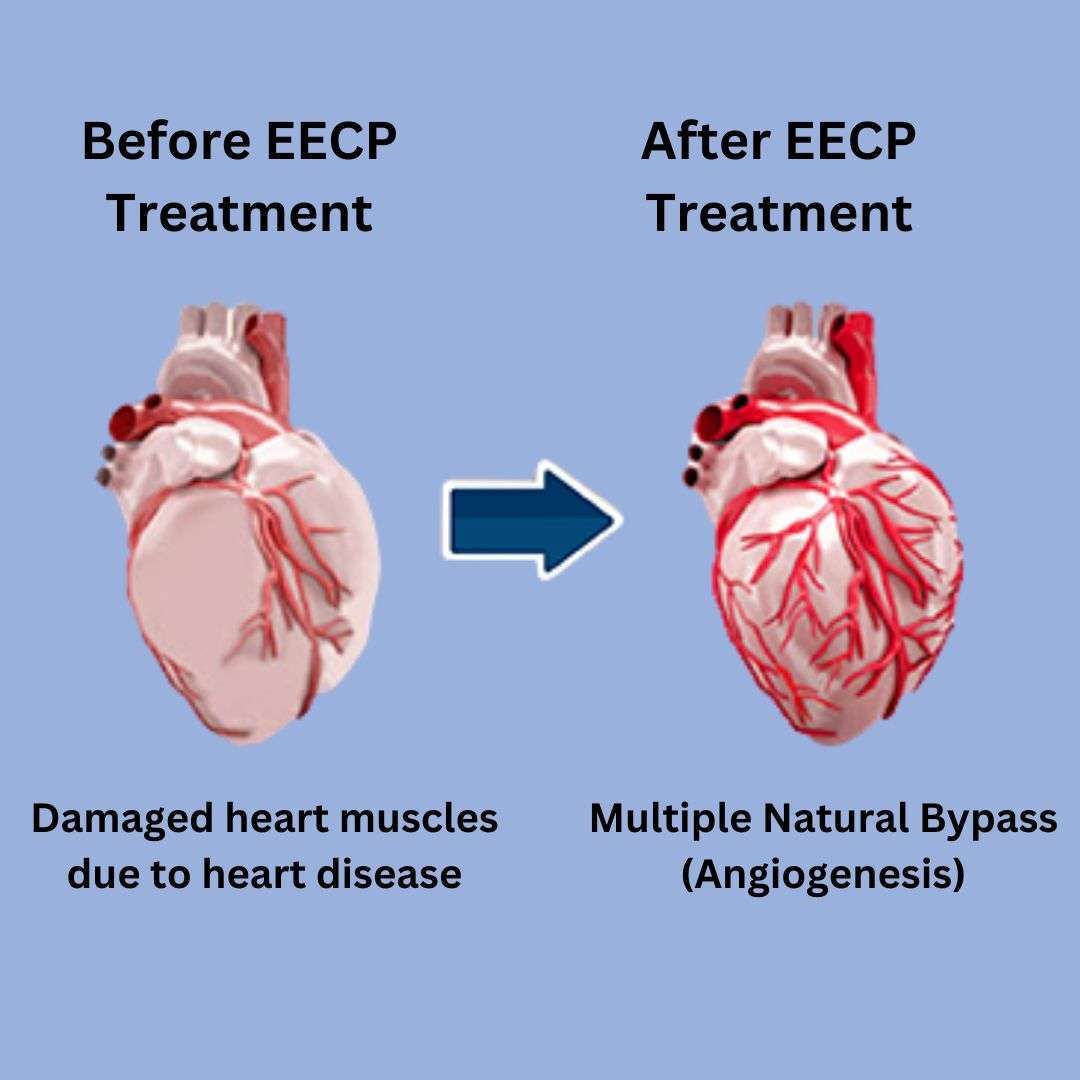
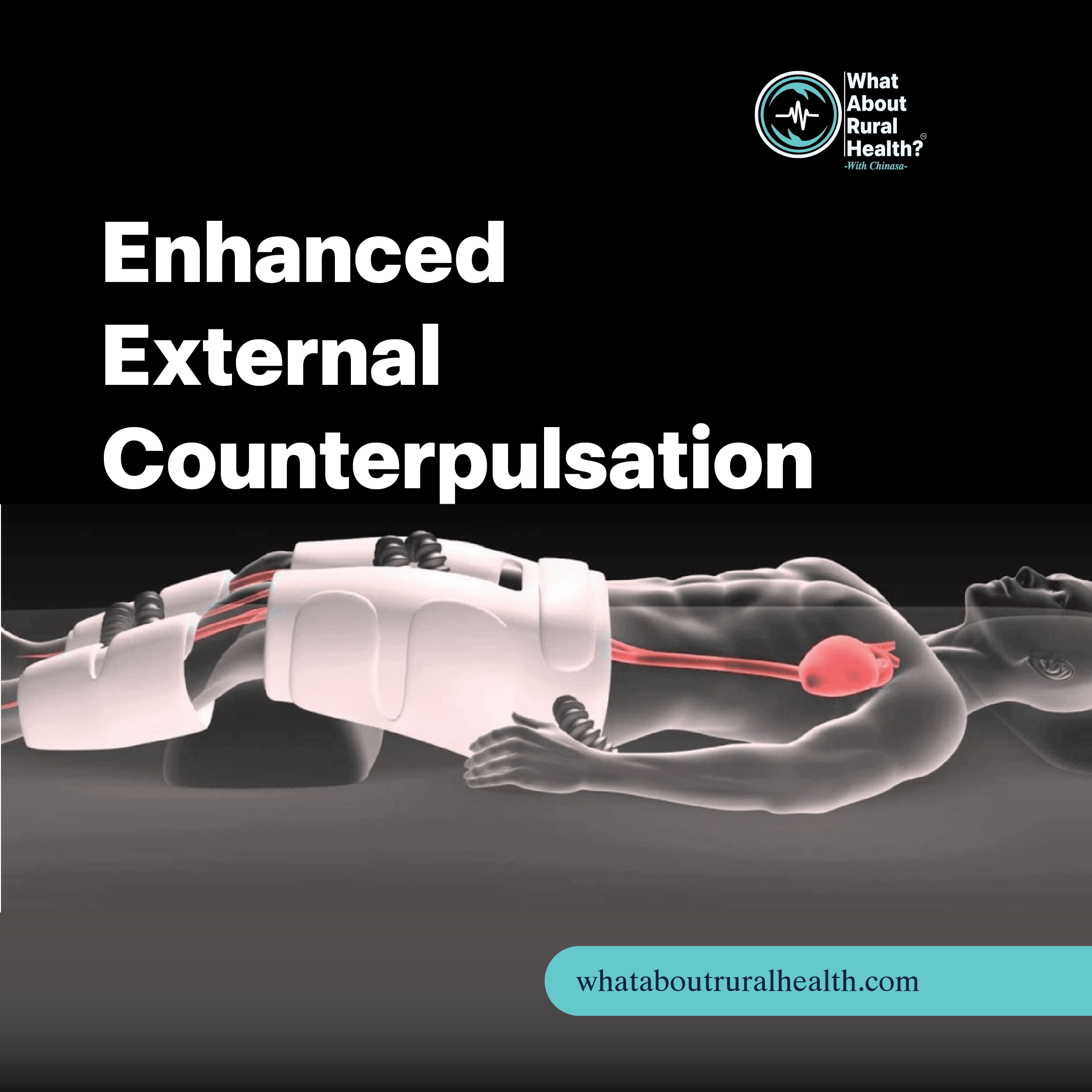
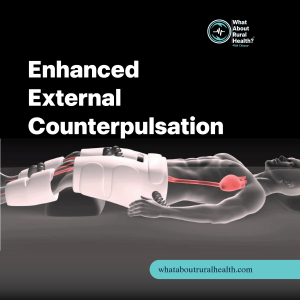
EECP therapy is a treatment designed to improve blood flow to the heart. During treatment, inflatable cuffs wrap around the legs and inflate and deflate in sync with the heartbeat. This process increases blood flow back to the heart during relaxation and lowers the heart’s workload during pumping. The therapy has been studied for patients with chronic stable angina who still have symptoms despite medication or who are not suitable for certain invasive procedures. EECP was approved by the US Food and Drug Administration in 1995 for the treatment of patients
with CAD and refractory angina pectoris who fail to respond to standard revascularisation procedures and aggressive pharmacotherapy (AHA|ASA Journals, 2014).
The U.S. Food and Drug Administration has cleared EECP systems for specific clinical uses, and professional cardiovascular organisations have published guidance on where the therapy may fit in patient care. However, treatment decisions should always involve a qualified healthcare professional.
Why Isn’t EECP therapy More Widely Known?
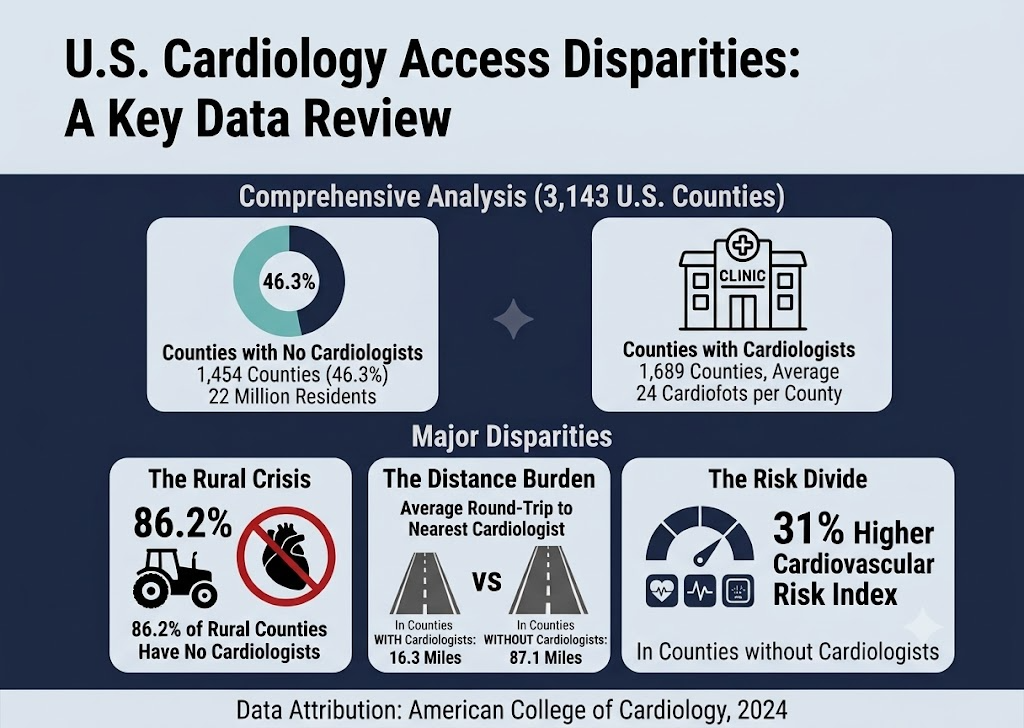
Healthcare innovation does not always spread evenly. Some treatments gain recognition because they are often discussed, readily available, or offered in many hospitals. Others remain less known, even with clinical evidence supporting them for specific patient groups. Access is another challenge. In many areas, especially rural and underserved communities, patients may need to travel long distances to reach specialised services. For someone already dealing with cardiovascular disease, distance can be an added barrier to care. This theme is explored throughout Jack Clifford’s discussion on the What About Rural Health?™ podcast.
Listen to the full podcast here: Rural Heart Health and the EECP Access crisis
A Story About More Than One Therapy
Jack’s experience is about more than just EECP. It’s about asking informed questions, understanding available options, and fostering conversations between patients and their healthcare providers. No single treatment is right for every patient, but every patient deserves access to reliable information and a chance to discuss evidence-based options with their care team.
Finding Reliable Information on EECP therapy
If you want to learn more about EECP therapy, start with trusted medical sources and talk with your healthcare provider. Helpful resources include: The U.S. Food and Drug Administration (FDA) for information on cleared medical devices. The American Heart Association for guidance on cardiovascular disease and treatment. Peer-reviewed clinical research available through the National Library of Medicine (PubMed).
If you’re looking for an EECP provider, EECPLocator.com has a directory to help patients find participating treatment centres across North America. To learn more about Jack Clifford’s personal journey and his advocacy work, visit EECPBook.com, where his book, EECP: The Most Underutilized Therapy in Medicine, is available.
Looking Ahead:
This article is the first in our EECP education series. In the next installment, we’ll answer one of the most common questions patients ask: What exactly happens during an EECP treatment session, and how does the therapy work?
Also read:
The Rural Health Access: How Innovation Can Save Millions of Lives